a generative system that produces images without semantic intent, exposing the automated logic through which contemporary ai systems generate visual output. the work operates as an aesthetic assembly line. random, nonsensical strings are scraped from across the web and concatenated into prompts, which are then submitted to an image-generation model. despite the absence of meaning in the input, the system consistently returns visually coherent images, demonstrating a mechanism designed to respond rather than to understand. the resulting images are presented as physical artifacts of this process. rather than functioning as authored compositions, they circulate as outputs, emphasizing the gap between automated production and the projection of meaning by viewers and institutions. aesthetic_shell foregrounds the conditions of automated image production, shifting attention away from interpretation and toward the infrastructures that allow computational output to appear as culture.
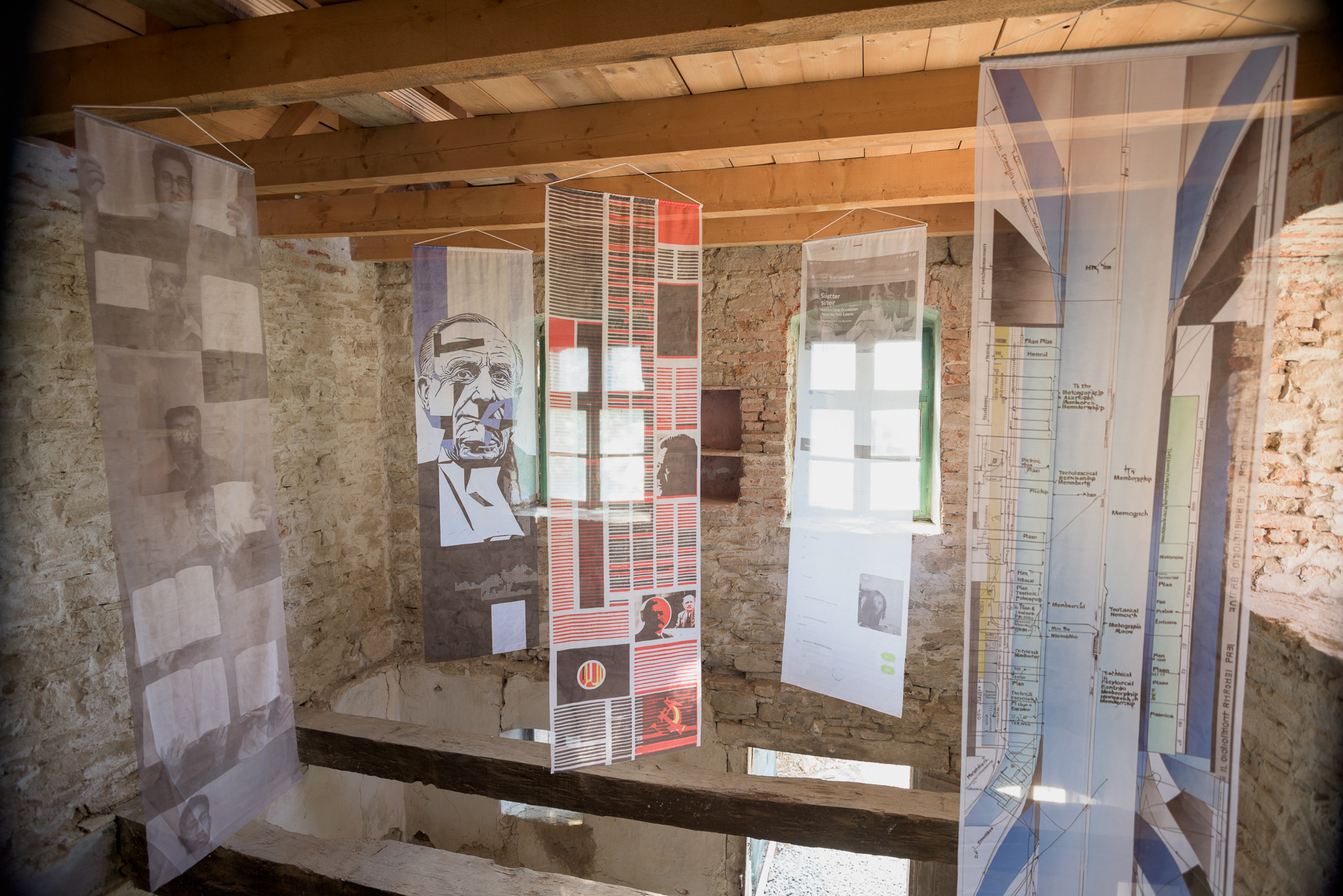
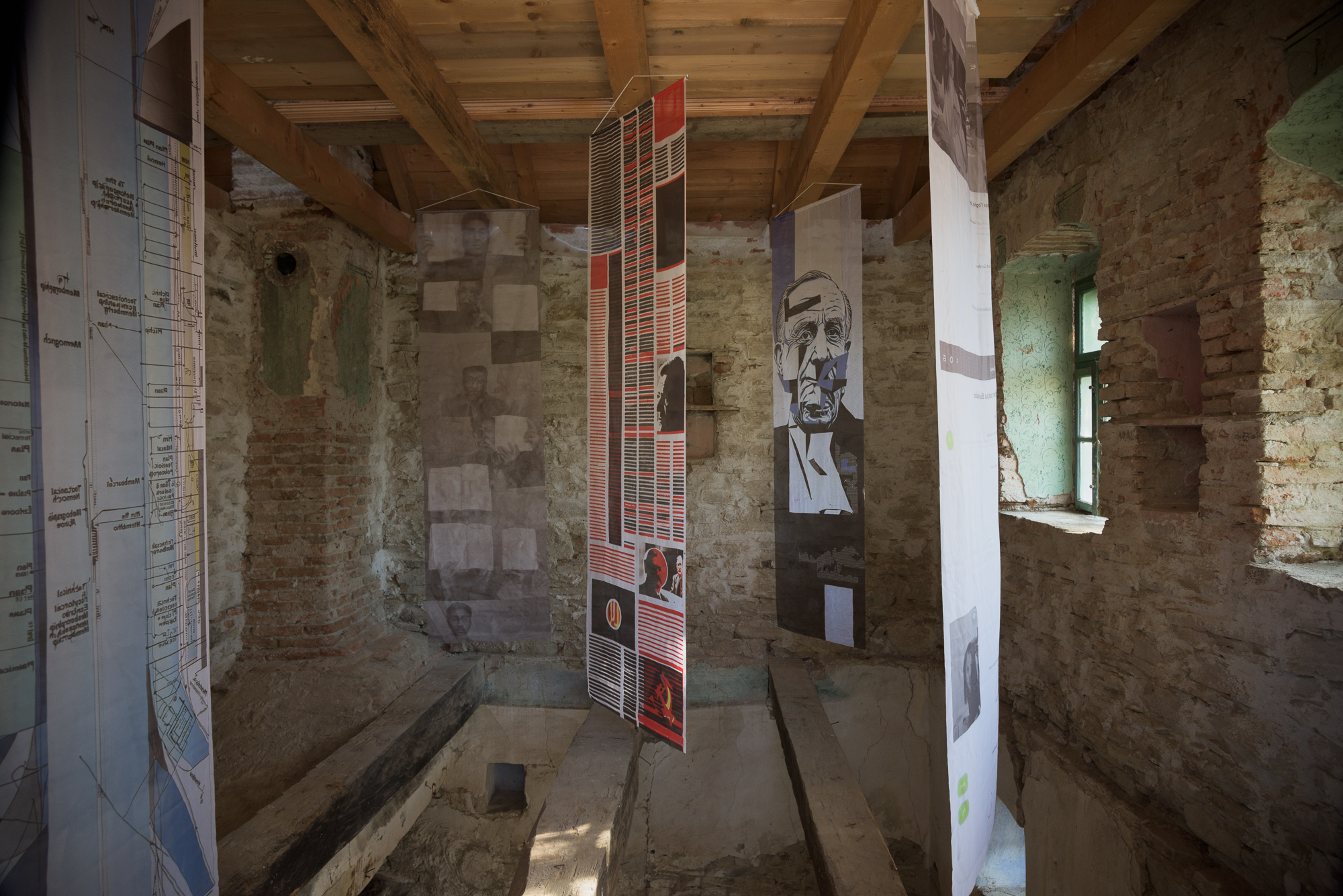
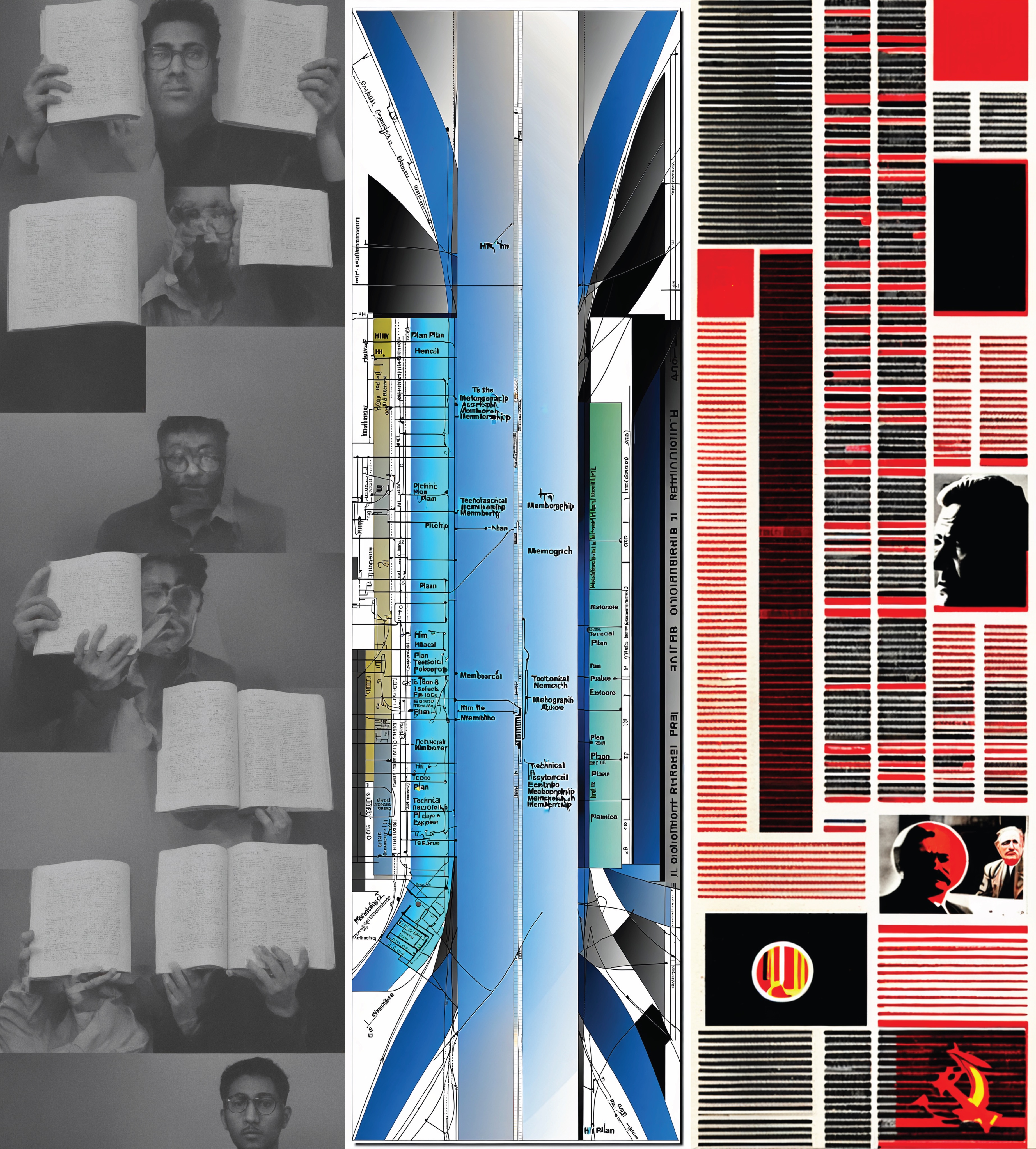
the work reflects on how generative systems are evaluated primarily through their outputs rather than their internal logic. by producing visually compelling images from semantically empty inputs, the work exposes the tendency to equate coherence with intelligence and generation with creativity. the work situates itself within broader questions around automation, productivity, and aestheticization, focusing on how meaning, value, and authorship are assigned after images are produced, while the labor, datasets, and infrastructures that enable them remain obscured.
the system operates as a generative pipeline rather than a compositional tool. text fragments are programmatically scraped from a range of online sources and concatenated into prompts without semantic filtering or curation. these prompts are submitted to an image-generation model, which produces visual outputs regardless of the coherence or intention of the input. no aesthetic decisions are made at the image level; artistic intervention occurs entirely in the design and framing of the system that produces them. the resulting images are printed as physical artifacts, preserving their status as automated outputs rather than authored works.