the_status_of_now is an interactive multimedia installation that examines how contemporary experience is shaped by continuous media exposure, algorithmic mediation, and simulated participation. the work unfolds through a set of roles—observer, witness, creator, and architect—each offering a distinct position within a network of real-time information, surveillance, and generation. as visitors move between these roles, they encounter shifting relationships to global events, from passive consumption to emotional exposure and synthetic authorship. rather than presenting a single narrative, the installation stages a progression through different modes of seeing, responding, and constructing reality. across these transitions, representation gradually overtakes reference, and simulation becomes indistinguishable from the events it claims to depict. the_status_of_now asks how meaning, responsibility, and agency are reshaped when reality is no longer encountered directly, but continuously processed.
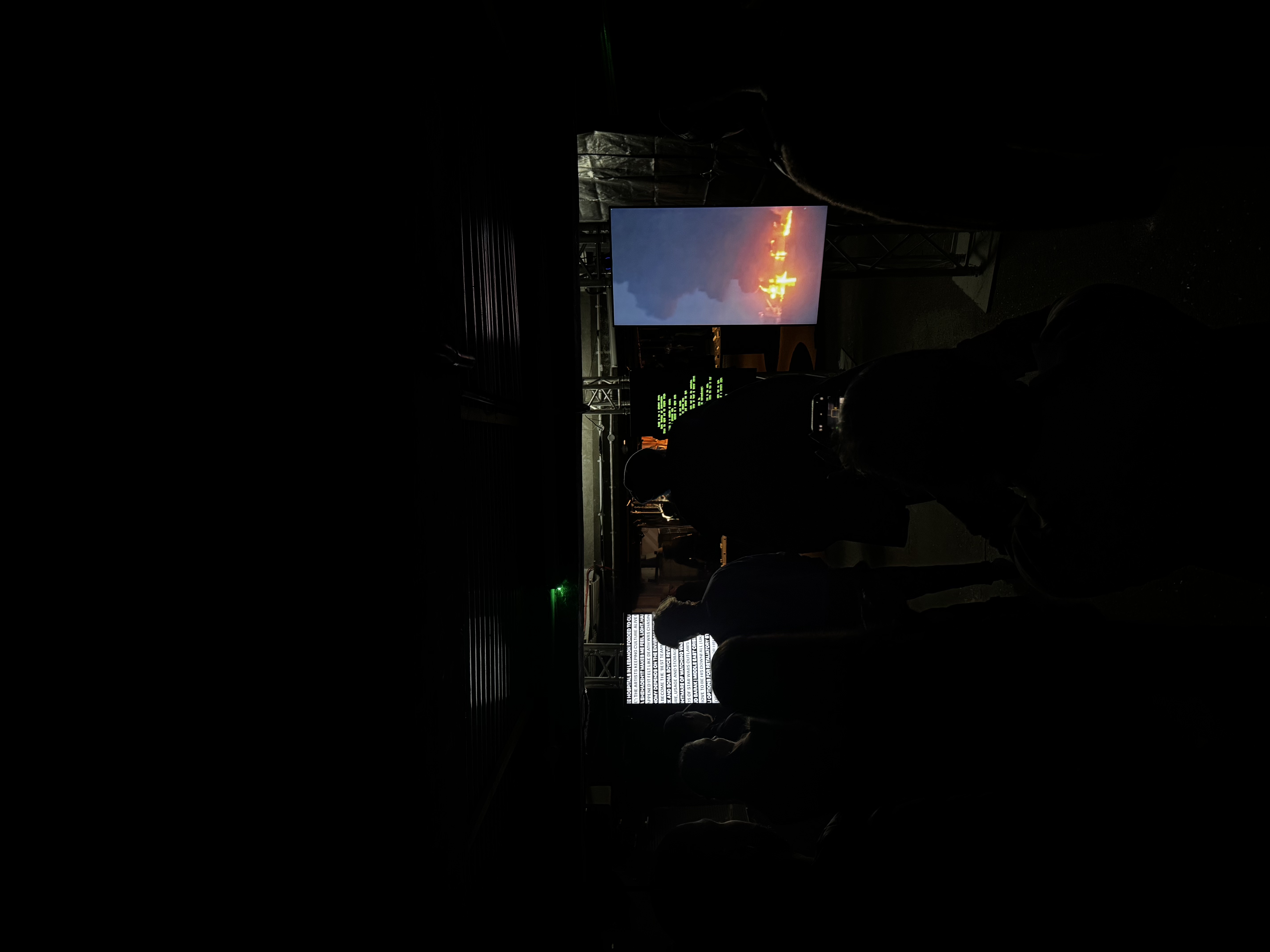
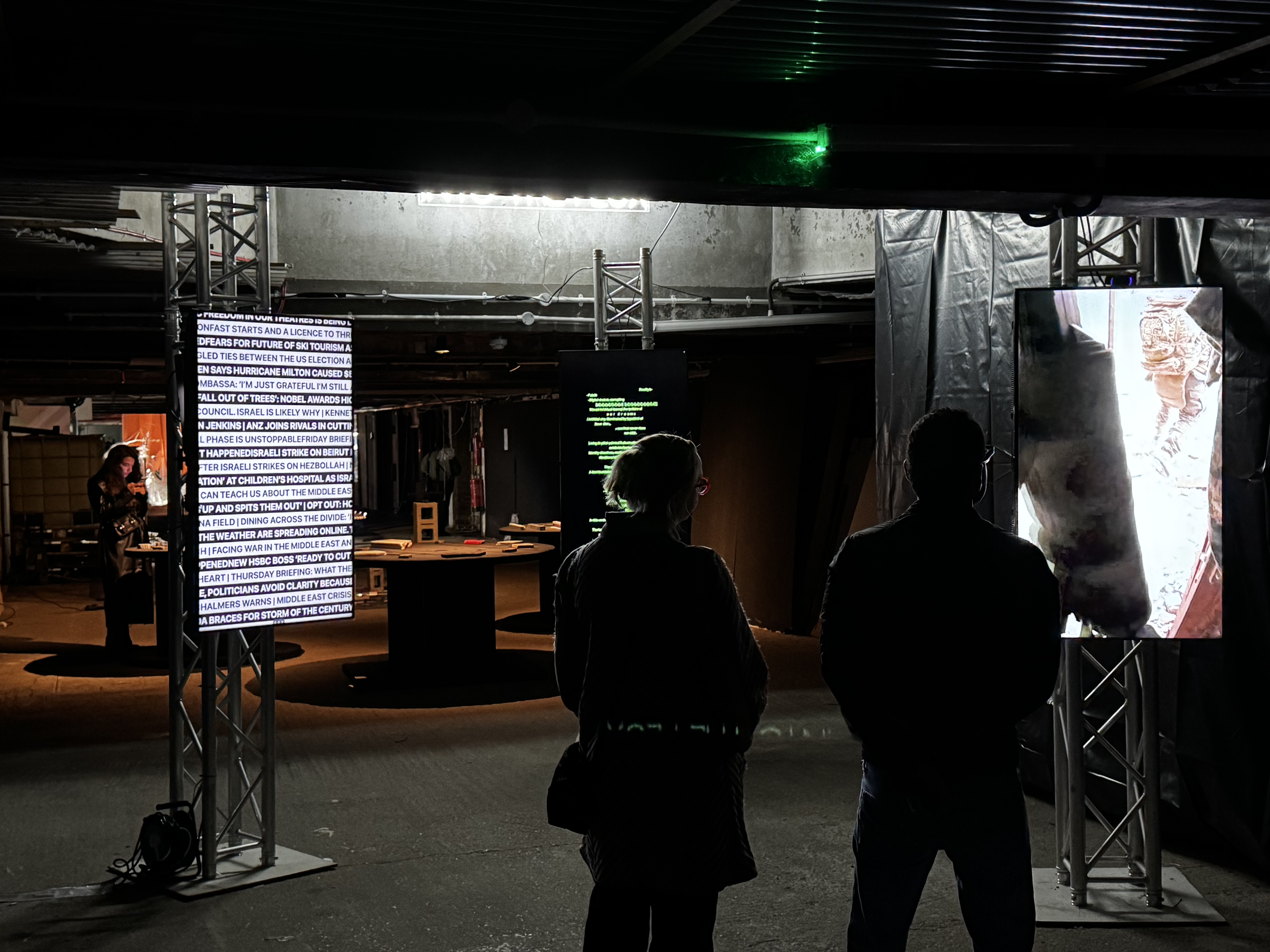
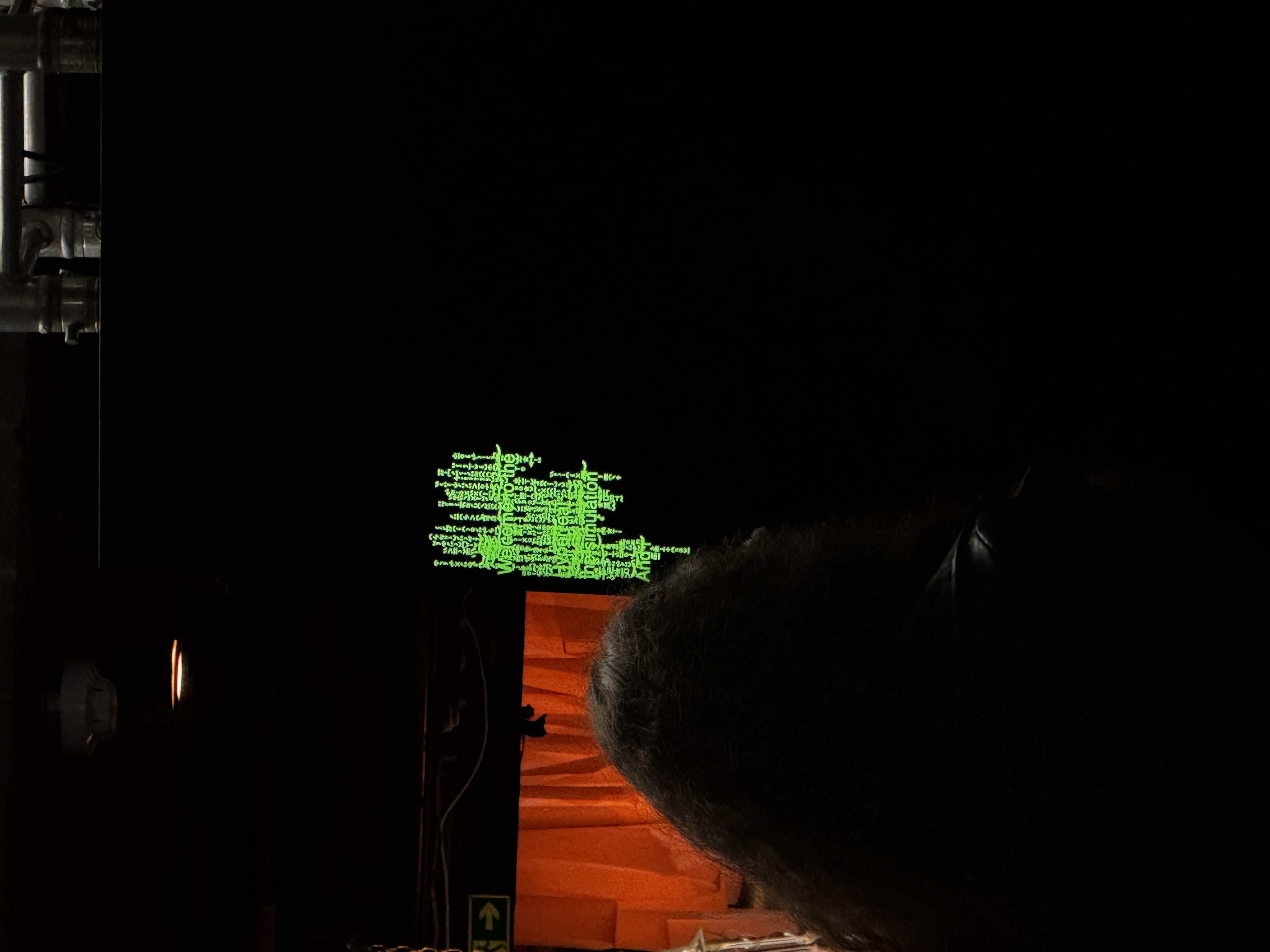
the installation is informed by theories of hyperreality and media simulation, particularly the idea that contemporary events are increasingly experienced through representations that no longer point back to a stable original. each role within the work corresponds to a different stage in this shift. the observer reflects passive immersion in continuous news streams, where information is abundant but agency is limited. the witness introduces surveillance and affect, confronting viewers with mediated violence while registering their emotional response. the creator displaces authorship entirely, allowing automated systems to generate cultural output detached from lived experience. together, these roles map a trajectory from observation to participation, and finally to control. the work does not assign a correct position within this system, but exposes how easily viewers move between them—often without noticing when responsibility is transferred to infrastructure.
the installation operates through multiple interconnected systems, each aligned to a specific role. the observer presents live news feeds retrieved via public APIs, aggregating real-time coverage of global crises and socio-political events. content is continuously updated and displayed without intervention, emphasizing repetition, overload, and desensitization. the witness uses facial recognition and emotion-detection software to analyze the viewer’s expressions while they are exposed to images of conflict and violence sourced from archival and live platforms. detected emotional states influence the sequencing of material, creating a feedback loop between perception and surveillance. the creator employs generative systems to produce poetic text in response to current events. the output is intentionally detached from direct reference, highlighting how automated creativity abstracts and reformats reality rather than representing it. across all roles, technical infrastructure remains visible, treating software, data flow, and surveillance not as neutral tools but as active agents in shaping experience.